May 06, 2026
By Rick McNary
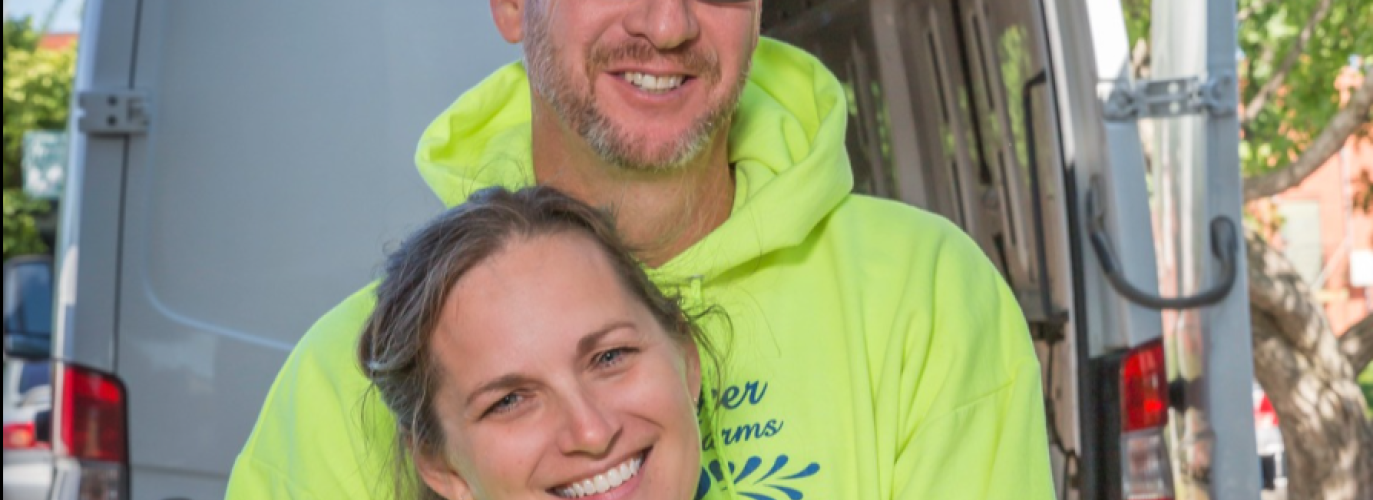
Cherie Schenker is a problem solver. One such problem was her husband, Kevin, was longing for the homegrown Kansas beef raised on their farm near McCune when he was stationed in Afghanistan. Although it took considerable work navigating the bureaucracy and red tape of international governments and working with an outside company to invent a shipping system, she was finally able to ship Schenker Family Farms beef to hungry soldiers longing for a taste of home.
When Cherie and Kevin took over the family farm in 2006, they were given the opportunity to think differently about the future of the farm. Would they continue the tradition of raising commodity crops like wheat and cattle, which is a wholesale business, or would they pivot and begin a retail business and sell directly to consumers?
It’s been nearly 20 years since they began selling beef out of their lawnmower shed from a freezer that Cherie’s grandfather had given them. Along the way, Cherie and Kevin have solved significant challenges in the local food supply system.
In order for food to get from the farm to your plate, there are three basic steps it must go through: production, processing and distribution. First someone must grow that plant or animal to a point of maturity then process it so it is ready for consumers to eat. For meat protein, that processing happens in a meat locker and then put in cold storage. For fruits and vegetables, unless it is sold within a few days, they need cool storage to extend the shelf life. Better yet, if those fruits and vegetables can be turned into value added products — like tomatoes turned into salsa — it extends the shelf life considerably, opens the business up to a national market and provides a different revenue stream. Once they are ready for human consumption, distributing them to customers fills that farm-to-plate process.
The greatest challenge in providing access to local foods for consumers is those three elements of that farm-to-plate supply chain are either weak or not in place so people who want to do direct-to-consumers sales must be creative in finding solutions.
If you look closely at how far Schenker Family Farms have come in the past two decades, you can see they have figured out ways to solve their problems by building out each of those three parts.
Production: The Schenkers raise a lot of livestock. In addition, they have formed a small umbrella network of local ranchers who work together to grow to the same production standards.
Processing: When the Schenkers decided to expand their operation into the small town of McCune, population 374, they included a commercial kitchen in their new building. While some products can be canned at home like jams and jellies under the cottage law, if a grower wants to turn tomatoes into salsa, they need a commercial kitchen. For the Schenkers, they use it to create chicken pot pies, bone broth, soups and other frozen dinners ready to heat and eat. In that same building, there are also two other critical components of direct-to-consumer sales; cool and cold storage.
Distribution: This might be where they shine the most. In that same building where they built the kitchen, they put in a restaurant and a grocery store, McCune Farm to Market. Small town grocery stores have been closing at alarming rates over the past decades which causes food deserts which is an area where a rural consumer has to travel more than 10 miles or an urban consumer must drive more than a mile to purchase groceries.
In addition, they take their market on the road to farmers markets in Kansas City and are a frequent vendor at our Market of Farms. In addition, a consumer can sign up for a subscription service known as a CSA, or community supported agriculture. They recently began partnering with Market Wagon for home delivery of their products to consumer doorsteps.
If you ever have the privilege to spend even a few minutes with Cherie, you, like me, will walk away with a great admiration for her creativity, work ethic and problem-solving skills. Direct-to-consumer sales has numerous roadblocks prohibiting ease of success and Cherie has either found an alternate route or created her own.
The McCune Farm to Market is more than a diner and rural grocery store, it is a destination worth putting on your bucket list to see how the Schenkers continue to solve problems. It’s just a short jaunt off Highway 400 in southeast Kansas and worth the stop. Enjoy the diner, shop the store and, by all means, ask if Cherie is there so you can meet her. You’ll leave a better person for having spent a few moments with one of the premiere leaders in direct-to-consumer sales from the farm to the table.